
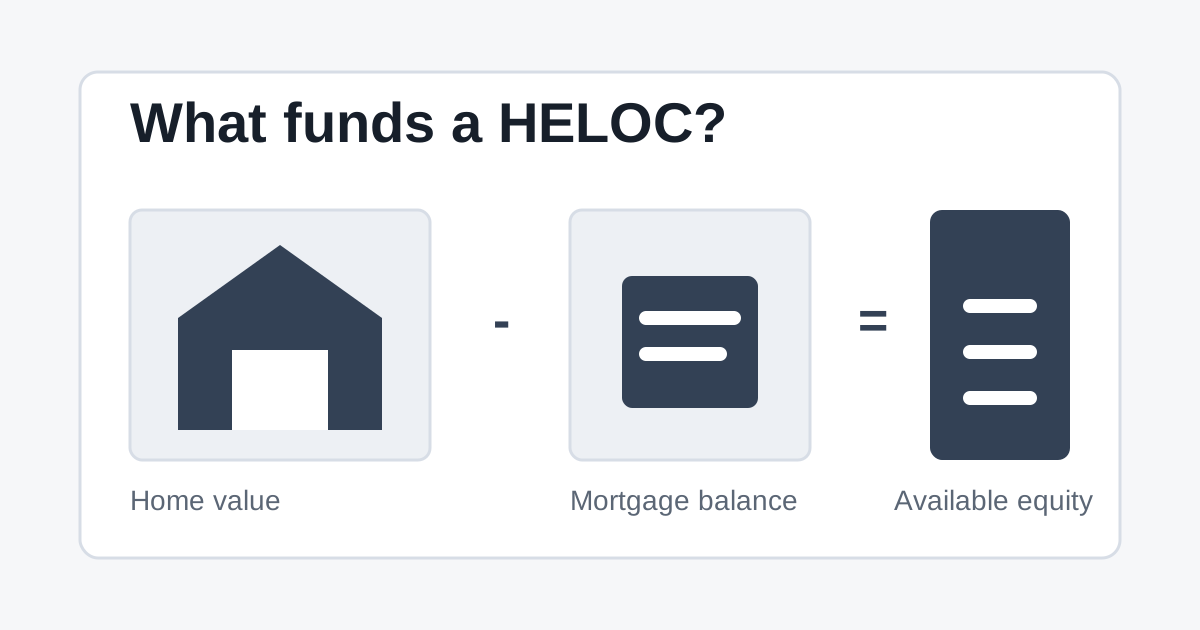
What is a HELOC in simple terms?
A home equity line of credit, or HELOC, is revolving credit secured by the equity in a home. The Consumer Financial Protection Bureau describes home equity as the home's value minus the amount owed on the mortgage. A HELOC turns part of that equity into an available credit line that can be borrowed, repaid, and borrowed again during the draw period.
That makes a HELOC different from a one-time installment loan. It can fit expenses that happen in stages, such as renovations, but the flexibility comes with responsibility because the home secures the credit line.
How does a HELOC draw period work?
Most HELOCs have two phases:
- Draw period. The borrower can take advances from the available line, subject to the agreement.
- Repayment period. The borrower repays the balance under the repayment terms.
During the draw period, payment rules can vary by lender. Some payments may be interest-only for a time; others may include principal. Homeowners should confirm how the payment can change before applying.
What costs and risks should I compare?
Before choosing a HELOC, compare:
- APR and whether the rate is variable
- Introductory rate rules and when they expire
- Annual fees, transaction fees, appraisal fees, and closing costs
- Minimum draw or minimum balance rules
- Draw period length and repayment period length
- Payment changes if rates rise or the draw period ends
The FTC warns that a HELOC uses the home as collateral. That matters: missed payments can put the home at risk.
When can a HELOC make sense?
A HELOC may be worth comparing when a homeowner needs flexible access to funds over time and has a realistic repayment plan. It is not a low-risk substitute for income, savings, or budget discipline.
Use a HELOC decision checklist:
- Is the purpose specific?
- Is the repayment plan realistic if rates rise?
- Are all fees understood?
- Is the home-equity risk acceptable?
- Have multiple options been compared?
What happens after starting with Ratespedia?
Ratespedia captures basic contact details, consent, attribution, and optional address verification details. A valid submission then continues into the configured Aven self-service HELOC application.